What makes it hard: systems — knowing how it works.
How hard is Pharaoh: A New Era?
What makes it hard: systems — knowing how it works. You get through it by working out what the game is actually doing and coming back with a better build or a better plan, not by faster hands.
Who actually finishes Pharaoh: A New Era
- Steam2.8%of everyone who owns it on Steam“Queen of the Nile”about 4% of the ones who actually played it
Same game, three different crowds. Steam, PlayStation and Xbox each work these percentages out from their own players, so the numbers move around while the game stays exactly the same. A lower number doesn't mean it's harder on that platform.
Rarest achievements
Published rarity by platform.
Steam
 Organized MessReach Palatial Estates with bazaars only distributing one resource at a time0.3%
 Ruler on the sideAll standard custom missions completed0.4%
 This is the wayAll missions completed0.4%
 Quench your thirstSupply 10,000 people with only one Water Supply for a year0.4%
 Immortal CitiesRun a city for 100 years without ever dropping below 10,000 population0.5%
Played Pharaoh: A New Era? See how many of these you've got.
- Which ones you've earned — and which you're missing
- Your rarest unlock, and where it ranks
- Your whole history for this game, on one timeline
- Steam, PlayStation, Xbox and Battle.net in one place
Free. Takes about a minute.
About Pharaoh: A New Era
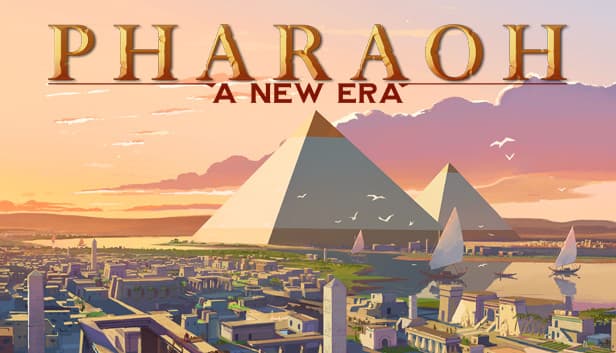
The legendary city-builder returns! Lead the creation of one of the greatest civilizations the world has ever seen in this HD remake with modernized UI. Build monuments, manage your population and explore 4,000 years of history through over a hundred hours of gameplay.
Get this game
How rarity is calculated
Each platform calculates rarity from its own player population. These percentages are shown side by side but are not a controlled comparison.
- Steam — Valve's published global unlock percentage across Steam owners of the game.
Percentages are shown exactly as each platform publishes them. Pyroblast does not recalculate them and does not mix player populations together. Data updated .